
World Elder Abuse Awareness Day on 15 June represents one day in the year when the whole world voices its opposition to the abuse and suffering inflicted to some of our older generations.
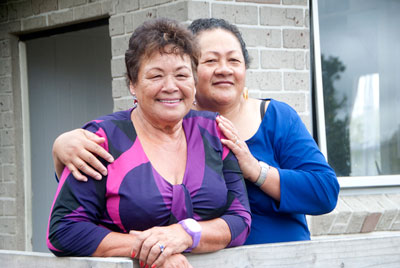 Pacific Homecare is encouraging our community to understand the signs of elder abuse and to speak out if you are concerned.
Elder abuse is a global social issue. The Ministry of Social Development estimates that up to 10% of the New Zealand population over 65 years of age have experienced abuse or neglect at some time. It often occurs within a relationship of trust. The Ministry of Health (MoH) states that the abuser can be anyone dealing with an older person, including a:
-
partner, adult child or other relative
friend, neighbour or visitor
patient or resident
health care provider, caregiver, or other social or support worker
residential care facility owner or manager
volunteer worker
person managing an older person’s affairs (eg, attorney or guardian)
Age Concern states that there are several categories of elder abuse, and often the abuse experienced by an older person involves more than one type of abuse.
Psychological Abuse
Behaviour causing mental anguish, stress or fear. For example:
-
ridicule or threats
harassment or humiliation
preventing choice or decision-making
withholding affection
Financial Abuse
Illegal or improper use of money, property or other assets. For example:
-
unauthorised taking of money or possessions
misuse of power of attorney
failure to repay loans
use of home and/or utilities without contributing to costs
scams that rely on establishing a relationship with the older person with the intention of exploiting their savings and/or assets, e.g. romance scams
Physical Abuse
Infliction of pain, injury or use of force. For example:
-
hitting, pushing, rough handling
over-medication
inappropriate use of restraints or confinement
Neglect
Not providing for physical, emotional or social needs. For example:
-
inadequate food, clothing, shelter
lack of social contact, support
health needs not attended to
Sexual Abuse
Non-consensual sexual acts or exploitive behaviours. For example:
-
inappropriate touching
sexual acts with someone unable to give consent
Institutional Abuse
A policy or accepted practice within an organisation that disregards a person’s rights or causes harm. For example:
-
lack of respect for a person’s culture or customs
inappropriate rationing of continence products
inflexible routines e.g. breakfast at 8 am in the dining room
Pacific Homecare Service and Training Manager Louise Uluakiola says raising awareness of abuse and providing appropriate training for staff are keys to reducing its occurrence.
“Our Support Workers are trained to recognise the signs of abuse or neglect. The more the Support Workers come to training, the more they speak in training, the more they’re aware of process and policy, and then the more they’re able to speak up when they need to,” says Louise.
Louise adds that for Pacific people and elderly people, speaking out can be difficult for many reasons, such as fear, the ‘Island way’, language barriers or pride. Speaking out through the right channels is what is needed to improve things.
Age Concern says the personal losses associated with abuse can be devastating and include the loss of independence, homes, lifesavings, health, dignity, and security. Elder abuse also damages family relationships causing isolation and loneliness, grief and great sadness to the older person.
They state that financial abuse can erode assets and savings so that the older person may find it difficult to buy essential medications, or pay for eye, ears and teeth care. They may not be able to pay bills and may even lose their home and possessions. Older people who have been abused lose their ability to live independently and require ongoing support from the health sector, or residential care.
It can be hard to know for sure if an older person is being abused or neglected but here are some indicators of possible abuse:
-
Unexplained behaviour, sleeping or eating habits
Withdrawal and/or edginess
Fear of a particular person
Confusion
Unexplained injuries
Drowsiness (over-medication)
Recoiling from touch
Unusual withdrawals from bank accounts
Unpaid bills, lack of money for necessities
Signs of intimidation or threats
What can you do?
You can stop elder abuse and help by treating older people with respect, knowing how to recognise signs of elder abuse and neglect, and if you suspect abuse or neglect don’t ignore it – get help.
If you are concerned about any of the issues raised above, please contact your Pacific Homecare Coordinator.


